A Level 2 home charger can be connected to the home’s electrical system in two ways. It can be wired directly into a circuit, or it can plug into a receptacle on the wall like a heavy-duty appliance. Product pages mention the difference in passing, and installers often have a strong preference, but the choice has consequences worth understanding.
Both approaches involve a dedicated 240-volt circuit installed by a licensed electrician, and both are safe when installed correctly. What differs is what sits at the end of the circuit, and how that affects flexibility, reliability and cost.
Read this if an installer has asked ‘hardwired or plug-in?’ and you do not know what to answer. You can skip it if your manufacturer requires one method for your model; the installation instructions already decide.
In this guide
The two approaches
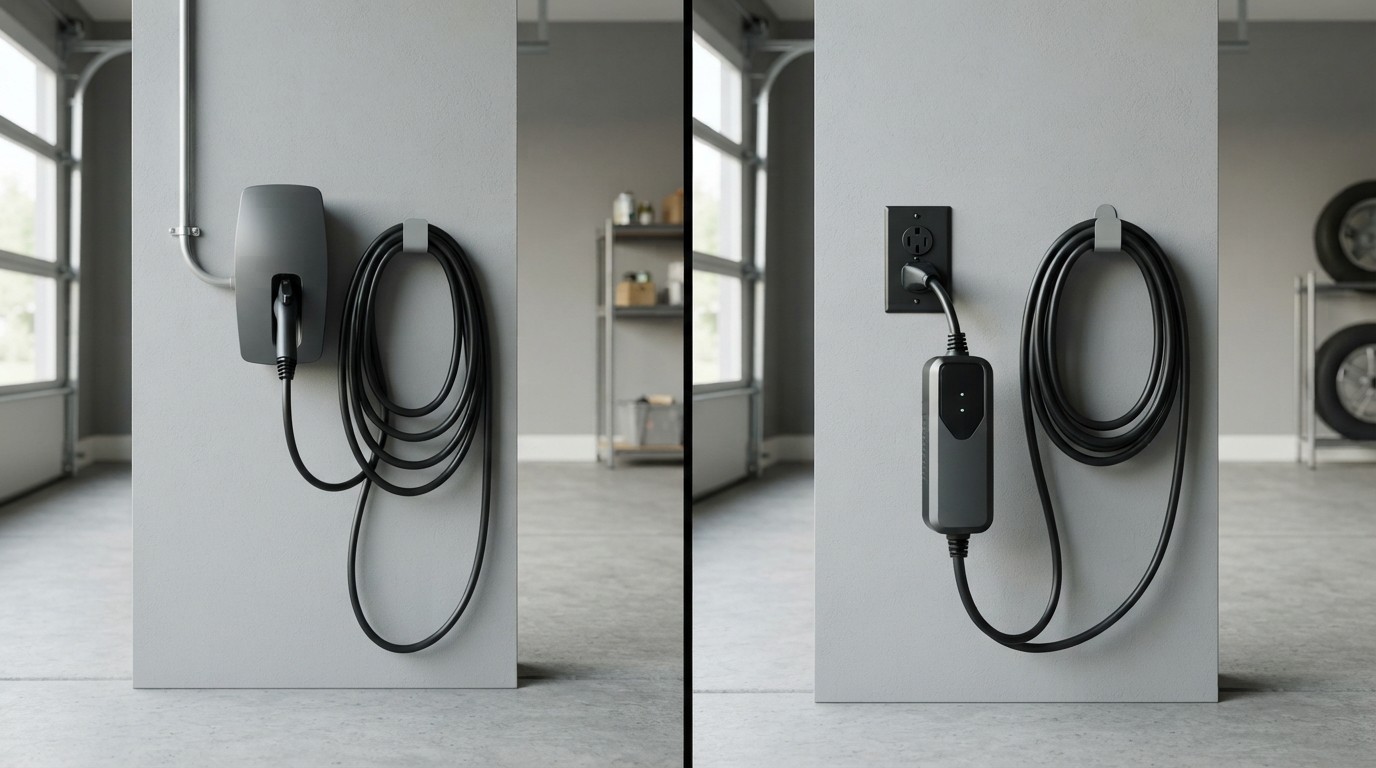
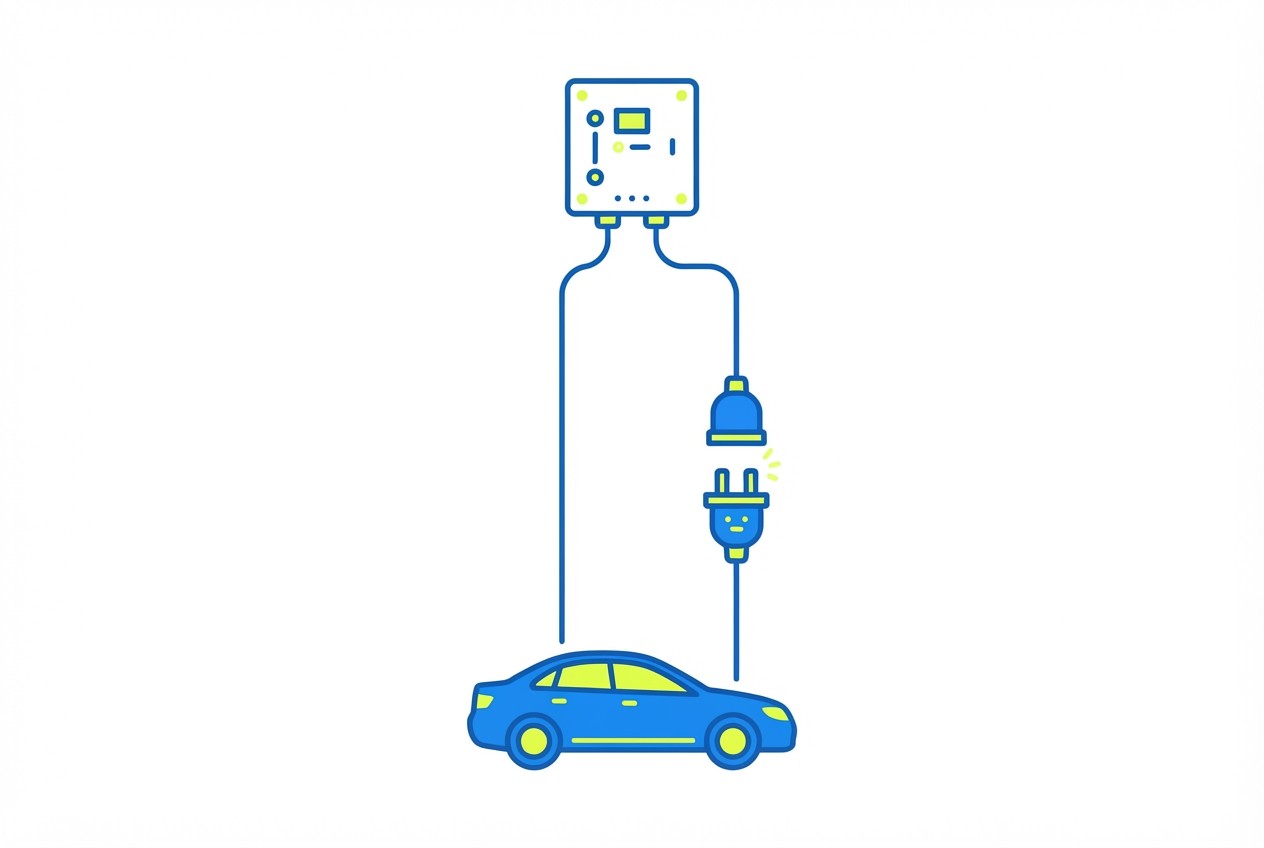
Hardwired. The charger is connected directly to the wires of the circuit, with no plug and no receptacle in between. It is permanently fixed to the wall, and removing it means disconnecting wiring.
Plug-in. The charger has a cord and a plug that fits a matching high-capacity receptacle installed by the electrician. Plugging in and unplugging takes a moment, and the charger can be removed without tools. Plug-in chargers are designed for a particular receptacle type, and the plug and socket must match the unit and the circuit.
The case for plug-in
- Portability. If you move, you can unplug and take the charger with you. For renters and for people who expect to move within a few years, that has real value.
- Easy replacement. If the charger fails or you upgrade to a newer model, swapping it requires no electrician, provided the new unit uses the same plug and the circuit is suitable.
- Flexibility. The same circuit can serve a portable unit that you also carry to other locations.
- Simpler change of equipment later. Because the receptacle stays, an electrician visit is needed only once.
The case for hardwired
- One less connection. A plug and socket is a point where resistance and heat can develop, particularly under sustained high current. Removing it removes a place where things can loosen or degrade over time. This is the main argument made by installers who prefer hardwiring.
- Higher output possible. Some higher-output chargers are designed only for hardwired installation, or have manufacturer recommendations that require it for their top current setting.
- Weather and tamper resistance. A hardwired charger is a sealed assembly fixed to the wall. It is harder to unplug and take.
- Often cleaner outdoors. No exposed receptacle to protect from rain, snow and dirt.
- Manufacturer or local requirements. Some manufacturers specify one method for certain models, and some jurisdictions or utilities have their own rules. Follow the equipment’s installation instructions and local code, as your electrician will.
What to watch with plug-in
Plug-in installations deserve particular care, because the plug and socket carry a heavy load for long periods. The concern is not that the approach is unsafe by nature. It is that quality and installation matter more.
- Use a receptacle rated for the job. Receptacles vary in quality, and ones intended for occasional use are not suited to charging for hours every night. Ask the electrician which receptacle they are installing and why.
- Make sure the plug is fully seated, every time. A partly inserted plug heats up.
- Never use extension cords, adapters or plug converters with a charger. They are not designed for the load and are a recognised cause of overheating.
- Inspect the plug and socket occasionally. Discolouration, a plug that feels hot after charging, or signs of melting are warnings. Stop using the charger and have an electrician look at it. Do not continue charging in the hope that it will be fine.
- Match the charger to the receptacle. The plug type must be the one the receptacle and the circuit are designed for.
Concerns about heat at plugs are not a reason to avoid the approach, but they are why a quality installation and sensible habits are worth the extra care.
Hardwired and plug-in compared
| Factor | Hardwired | Plug-in |
|---|---|---|
| Connection | Permanently wired to the circuit | Cord and plug into a receptacle |
| Taking it with you | Requires an electrician to remove and reinstall | Unplug and go |
| Replacing the charger | Electrician visit | Often no visit, if the plug type matches |
| Potential weak point | None added at the connection | Plug and socket under sustained load |
| Highest output options | Available, sometimes required | Limited to what the receptacle and unit allow |
| Outdoor suitability | Usually simpler | Needs a weather-rated receptacle and cover |
| Theft or tampering | Harder to remove | Easier to unplug |
| Best for | Owners staying put, higher outputs, outdoor installations | Renters, people who may move, flexible use |
Other things the choice affects
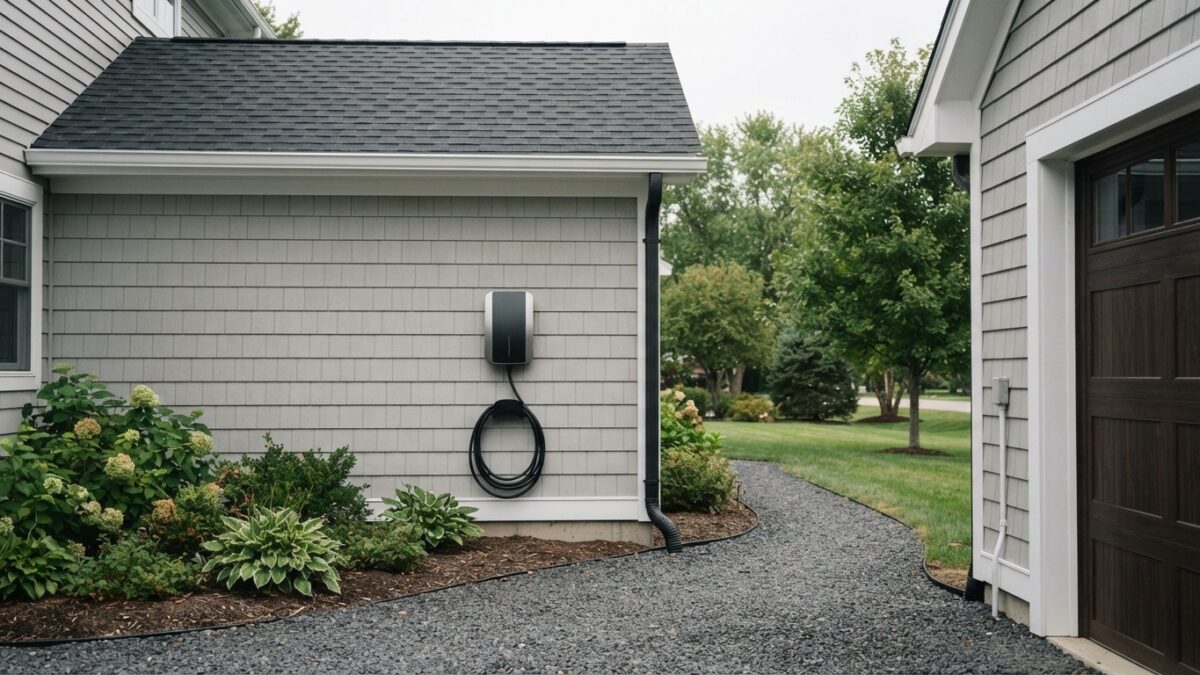
Outdoor use. Equipment and receptacles exposed to rain, snow and sunlight must be rated for it. Chargers carry enclosure ratings that describe their protection against water and dust, and any plug-in receptacle outdoors needs a suitable weatherproof cover that works while the plug is in place. An electrician will know what the local code requires for outdoor installations.
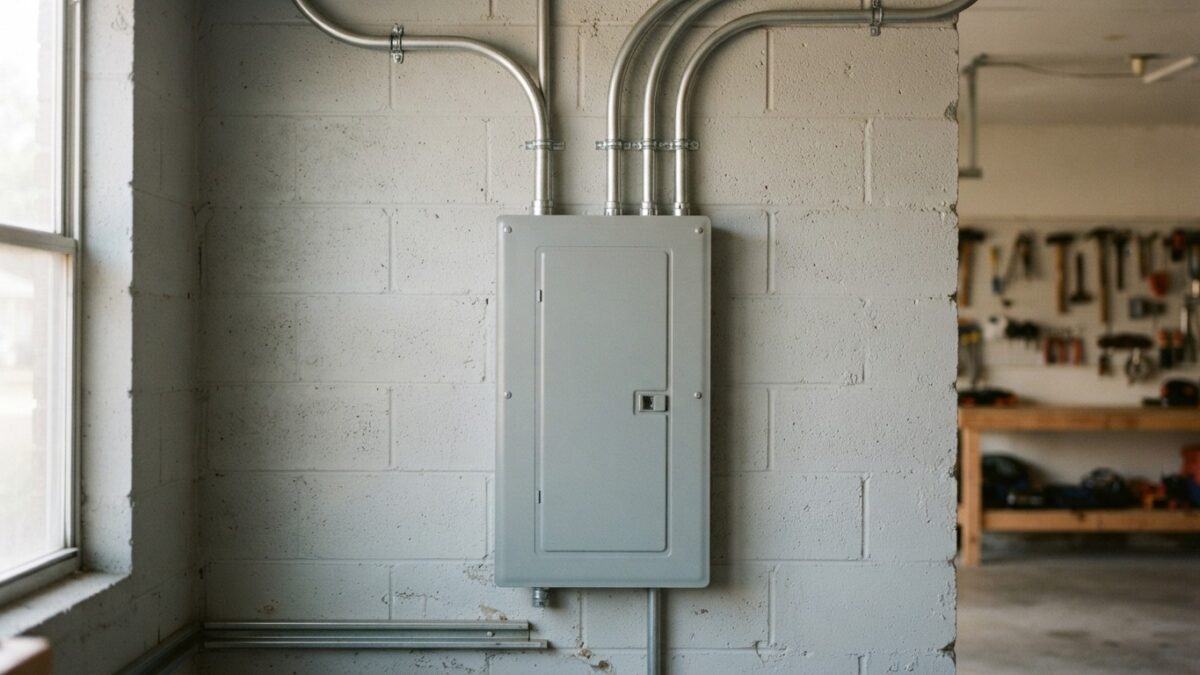
Ground-fault protection. Electrical codes in many places require specific protection for charging circuits, and equipment may include it or require it at the breaker. Rules differ by location and change over time. Your electrician applies the ones that apply to you.
Cost. The difference in total installed cost is often modest, and it can go either way. A plug-in requires a receptacle and the charger’s plug. A hardwired unit requires a more direct connection. The larger variables are the wire run, the panel work and the permit, which we discuss in our article on panel capacity. We do not quote prices, because they vary too much between regions and installations.
Resale and moving. A hardwired charger on the wall is part of the house, and some buyers value it. A plug-in charger can be taken, leaving a receptacle behind that suits the next owner’s equipment. If you plan to take the charger, say so in the sale terms.
How to decide
- Do you own the home and expect to stay? If so, hardwiring is a sensible default, particularly outdoors or at higher outputs.
- Do you rent, or might you move soon? Plug-in keeps the charger portable.
- What output do you need? If you need the highest output, check the manufacturer’s installation instructions for the method it requires.
- Where will it be? Outdoors, hardwired usually makes for a simpler, more weather-resistant installation.
- What does your electrician recommend, and why? A good one will give reasons that relate to your home, not a blanket preference.
- Does your landlord, association or utility have rules? Ask before you buy.
Whichever you choose, the quality of the installation matters more than the method. A well-done plug-in installation with a quality receptacle outlasts a rushed hardwired one, and the reverse is equally true. Pick a licensed electrician who answers your questions clearly, follow the equipment’s instructions, and keep an eye on the connection once it is in service.
Choosing by situation
- You own your home and expect to stay: hardwired is a sensible default.
- You rent or may move soon: plug-in, with a quality receptacle installed by an electrician.
- The charger will be outdoors: hardwired is usually simpler to weatherproof.
- You want the highest output: check what the manufacturer requires before choosing.